


In the quest for illumination, mankind has transitioned from the flickering flames of ancient lamps to the soft, bright glow of modern lighting. This journey has been marked by significant milestones, with the development of incandescent and LED light bulbs standing out as pivotal advancements. Both have their unique benefits and drawbacks, shaping preferences and applications differently. In this comprehensive analysis, we'll explore the nuances of incandescent light bulbs versus LEDs, guiding you through a journey from their inception to the future of lighting.
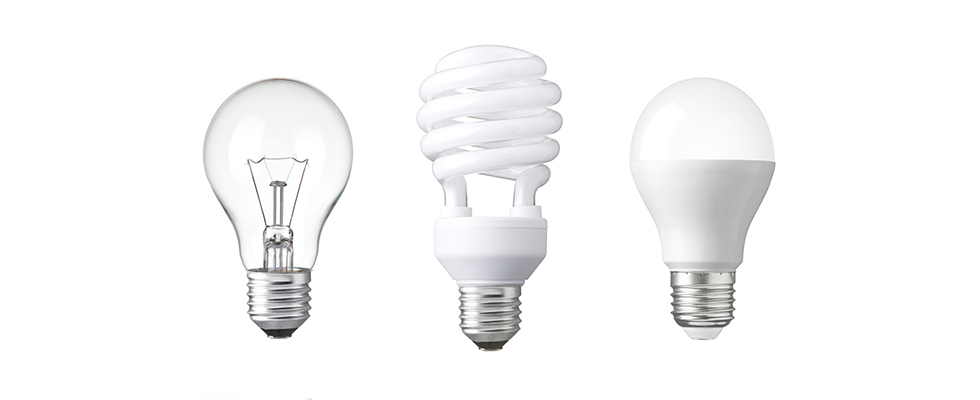
What is Incandescent Light Bulbs?
Incandescent bulbs light up through a simple yet fascinating process. Electricity flows through a tungsten filament housed inside the bulb, heating it to a temperature that produces light. This glow, reminiscent of a cozy fire, has brightened homes for over a century.

The incandescent bulb's invention is often credited to Thomas Edison, although it was the culmination of work by many inventors. Its commercialization in the late 19th century revolutionized human life, extending productive hours beyond sunset and contributing significantly to the Second Industrial Revolution.
Pros:
-
Warm, ambient lighting that's flattering to skin tones and interiors.
-
Instant illumination without any warm-up time.
Cons:
-
High energy consumption, with much of the electricity wasted as heat.
-
Shorter lifespan compared to modern lighting solutions, leading to frequent replacements.
LED Lights: The Future Shines Bright
LEDs, or Light Emitting Diodes, create light by passing an electrical current through a semiconductor material, which then emits photons—light we can see. This process is much more efficient than heating a filament and results in less wasted energy.

From their inception in the early 1960s, LEDs were primarily used in electronics for indicator lights. However, advancements over the decades have propelled LEDs to the forefront of lighting technology, celebrated for their efficiency and versatility.
Pros:
-
Significant energy savings, using up to 90% less energy than incandescent bulbs.
-
Longer lifespan, lasting 25 times longer on average, which means less frequent replacements.
Cons:
-
Higher initial cost, although this is mitigated by long-term savings on energy bills and replacements.
-
Some people find the light quality of LEDs less warm and inviting than incandescents, although technology improvements continue to address this issue.
Choosing Your Ideal Lighting: Incandescent or LED?
As we navigate through the ever-evolving landscape of home and office lighting, the question "Which light is right for you?" becomes increasingly relevant. In this comprehensive guide, we'll dive into the distinctions between incandescent light bulbs and LED (Light Emitting Diode) lighting, examining their performance across various scenarios and core differences. From brightness to environmental impact, this analysis aims to illuminate the best choices for your specific needs.
Incandescent vs. LED: Key Distinctions
When considering a switch or installation, understanding the core differences between these two lighting technologies is crucial. Let's break down these differences across several key categories:
| Category | Incandescent Bulbs | LED Bulbs | Best Choice |
| Brightness | Good | Excellent | LED |
| Energy Efficiency | Low | High | LED |
| Lifespan | ~1,000 hours | ~25,000 hours | LED |
| Safety | Lower (heats up) | Higher (stays cool) | LED |
| Colors | Warm tones | Wide range | LED |
| Initial Outlay | Lower | Higher | Incandescent for budget constraints |
| Savings | Lower over time | Higher over time | LED |
| Environmental Impact | Higher | Lower | LED |
Making the Right Choice
Lighting preferences can significantly vary depending on the scene or environment you're illuminating. Incandescent bulbs, known for their warm, yellowish hue, create a cozy and inviting atmosphere, making them ideal for living rooms, bedrooms, and dining areas where a softer light enhances comfort and relaxation. On the other hand, LEDs offer a broader spectrum of colors, including bright white light, which is perfect for task-oriented spaces like home offices, kitchens, and bathrooms where clarity and visibility are paramount.
1. For Warmth and Ambiance
Creating a warm and inviting atmosphere in your home or office hinges significantly on choosing the right lighting. Traditional incandescent bulbs, known for their soft, yellowish hue, have been the go-to choice for decades to achieve that desired warmth. However, advancements in lighting technology have introduced LED options that can mimic this warm glow without the high energy cost, offering a blend of comfort and sustainability.
Understanding Color Temperature: Color temperature is measured in Kelvins (K) and determines the light's color output, ranging from warm yellows to cool blues. For spaces where warmth and ambiance are priorities, selecting LEDs with a lower Kelvin rating can replicate the cozy feel traditionally associated with incandescent bulbs.
Dimmable Solutions: Incorporating dimmable LED lights can further enhance the ambiance of a room, allowing for adjustable brightness that can change with your mood or the time of day.
2. For Energy Savings and Efficiency:
The quest for reducing energy consumption and utility bills has led many to explore efficient lighting solutions. LEDs stand out as the frontrunner in this category, consuming significantly less electricity than incandescent bulbs and drastically reducing household energy use.
The Cost-Efficiency of LEDs: Despite a higher upfront cost, LED bulbs pay for themselves over time through lower energy bills and longer lifespans, making them a wise investment for the eco-conscious consumer.
Environmental Benefits: Switching to LEDs not only impacts your wallet but also the planet. With reduced energy consumption comes a decrease in carbon footprint, making LEDs a green choice for lighting.
Transitioning to LEDs
Embracing LED technology for its efficiency and versatility can seem daunting, but the transition can be seamless with the right approach.
Conduct a Lighting Audit: Begin by assessing your current lighting setup to identify where swaps to LEDs can have the most significant impact on both ambiance and energy savings.
Choosing the Right LEDs: Not all LEDs are created equal. When selecting LEDs, consider factors like color temperature, lumens for brightness, and whether the bulbs are compatible with your existing fixtures and dimmers.
Choosing the Right LEDs: Not all LEDs are created equal. When selecting LEDs, consider factors like color temperature, lumens for brightness, and whether the bulbs are compatible with your existing fixtures and dimmers.

Recommend LED Light Bulbs
In the ever-evolving world of home lighting, finding a bulb that offers both efficiency and versatility is key. Enter the Linkind LED light bulb, a beacon of innovation in the realm of modern lighting solutions. Designed to meet the diverse needs of today's households, Linkind LED bulbs stand out for their exceptional quality, energy efficiency, and adaptability. Let's dive into what makes these bulbs a must-have for homeowners seeking to enhance their lighting experience.
Linkind LED light bulbs are not just another lighting option; they are a testament to what modern technology can achieve in terms of illumination, energy savings, and user convenience. Here are four standout features that define the excellence of Linkind LED bulbs:
Versatile Shades for Every Mood: Linkind LED bulbs offer a color temperature range from warm white (2700K) to cool daylight (6500K), perfect for customizing your space's ambiance to match your mood or activity.
Shine Brighter, Use Less: High lumens output means Linkind LEDs illuminate rooms more brightly and efficiently than traditional bulbs, enhancing brightness while reducing energy costs.
Easy Integration: Linkind LED bulbs fit a broad array of fixtures, from standard lamps to modern track lighting, ensuring an easy switch to LED lighting.
Control at Your Fingertips: With support for the Matter protocol and compatibility with Google Home, Linkind Smart LED bulbs allow brightness adjustments via the AiDot App, blending visibility with the ideal atmosphere.
Final Thought
Diving into the world of incandescent and LED lighting illuminates the power of choice in our hands. With insights into both, you're now equipped to select the ideal light bulb that aligns with your preferences and needs. Whether it’s the warm glow of an incandescent bulb for a cozy ambiance or the energy efficiency of an LED light for a greener lifestyle, the decision is yours. Make an informed choice and light up your space in a way that best suits you.
FAQs
1. Can I use LED bulbs in any fixture?
Yes, LED bulbs are designed to fit in most standard fixtures, making them an easy swap for incandescent bulbs.
2. Are LED lights bad for my eyes?
Quality LED bulbs with appropriate brightness and color temperature should not harm your eyes. It's best to choose LEDs with a high CRI for a natural light experience.
3. Do LED bulbs provide the same warm light as incandescents?
Modern LEDs offer a wide range of color temperatures, including warm whites that mimic the cozy glow of incandescent bulbs.


0 comments